All throughout fall we at Our City Forest receive panicked emails from residents about their trees. Everywhere it seems that young, healthy trees planted earlier this year are dying. People blame lots of things for this, the drought, insects, poor soil, or even Our City Forest. More often than not the blame rests on autumn. In New England the height of the leaf season has come and gone. The hills are no longer awash with red, yellow and orange, or smell of leafy petrichor, crisp on cold winds. Here in San Jose, deciduous trees (trees that shed leaves) are at the tail end of the fall color season, entering their winter dormancy.
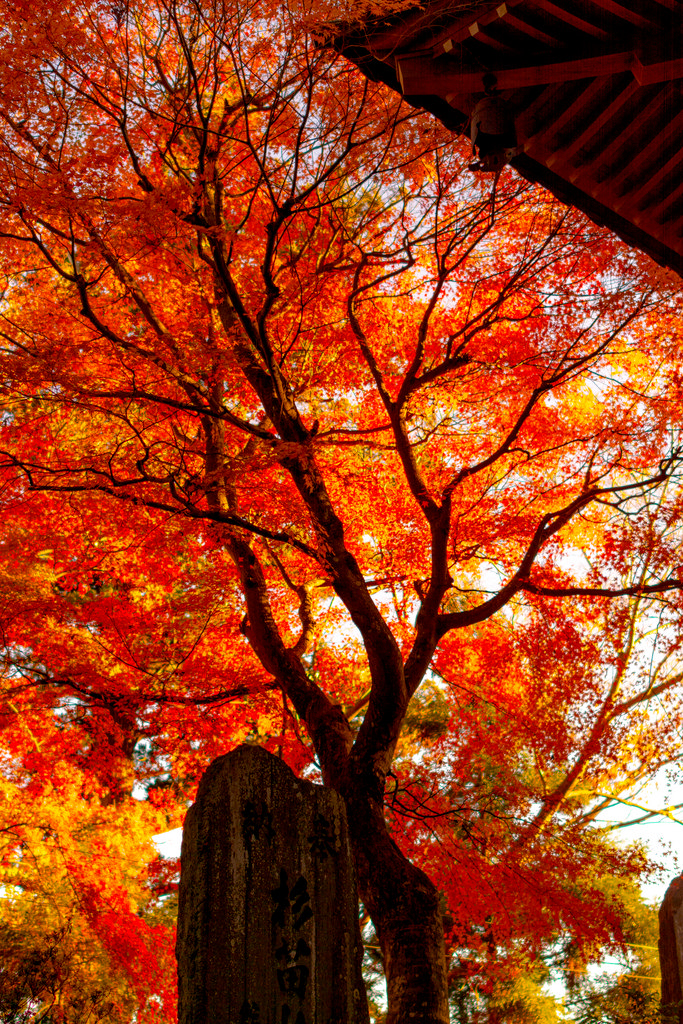
It’s hard to believe that this happens every year.
We don’t blame people for not knowing about autumn. Many people in the region come from subtropical areas with long growing seasons. Many more have no direct experience with plants, trees and the peculiarities of seasonal changes. This is the first part of a multi-part series on plants, plant science and arboriculture to shed light on our photosynthetic friends (in a metaphorical sense).

Plants love light after all.
When I say “plants” chances are you picture big, leafy trees, flowers, shrubs and maybe some of you think of ferns and moss. All of these images are correct but incomplete. Land plants, the plants most humans are familiar with, actually constitute a small fraction of the diversity of the Plant Kingdom.